Adapting CPG Supply Chains to a 90% Drop in Strait Traffic
AUTHOR // Michael Bao, Industrial Execution Architect
PUBLISHED // April 2026
Executive Summary
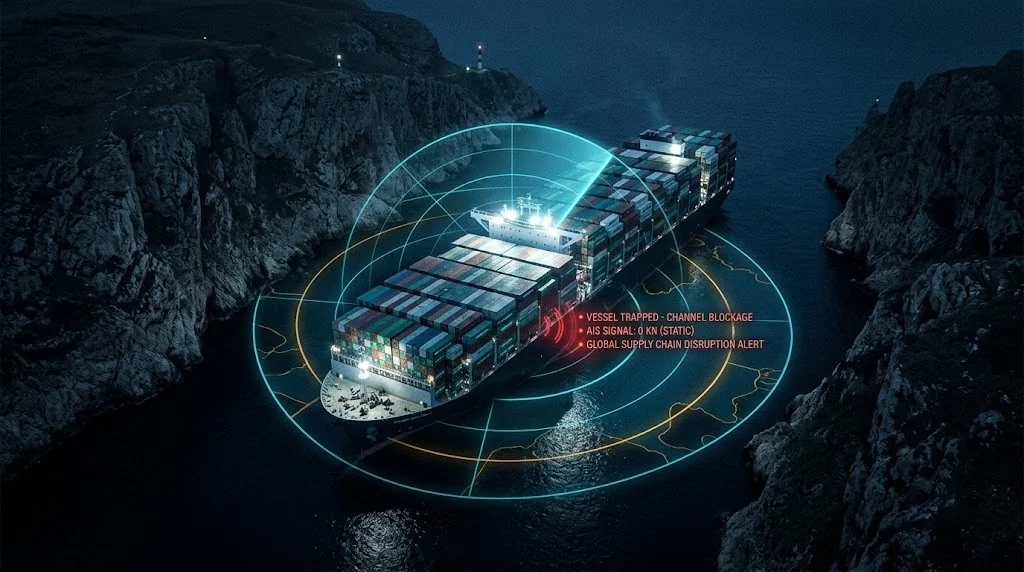
The Strait of Hormuz represents one of the most critical maritime chokepoints in global energy infrastructure. Roughly one-fifth of global oil supply and a meaningful share of LNG trade moves through this corridor between Oman and Iran[1][2]. Recent geopolitical escalation has left flows through the strait severely restricted, with official market reporting describing shipping traffic as extremely limited and, in some outlook scenarios, closed to most shipping traffic[1][3].
For CPG (Consumer Packaged Goods) manufacturers, this is not an abstract geopolitical concern. Temperature-sensitive ingredients, time-critical formulations, and just-in-time inventory models are exposed to material freight, insurance, and lead-time pressure when a chokepoint this central becomes unstable.
This briefing examines the physical realities of Hormuz disruption, the thermal degradation risks for heat-sensitive ingredients, and why Strategic Vendor Architecture (SVA) remains a practical framework for bridging The Execution Gap and building resilience into CPG supply chains.
Physical Reality: The Scale of Disruption
Traffic Compression Metrics
The Strait of Hormuz normally handles about 20 million barrels per day and remains one of the most important oil transit chokepoints in the world[2]. Current EIA and IEA reporting characterizes flows as extremely limited, severely restricted, or closed to most shipping traffic depending on the reporting date and scenario window[1][3].
For container shipping specifically:
Routing Instability: Transit planning reliability deteriorates sharply when vessel operators pause, delay, or selectively reroute sailings.
Rerouting Requirement: Some cargo flows may require materially longer alternative routings when direct passage is not commercially viable.
Lead-Time Pressure: Shipment schedules become harder to predict, increasing exposure for time-sensitive inventory and synchronized production windows.
Cost Escalation: War-risk insurance, bunker consumption, and freight pricing all rise when a strategic corridor becomes operationally unstable.
Impact Diagnostic: Hormuz Traffic vs. Risk Premiums
Illustrative relationship between constrained transit volume and rising insurance/freight pressure during sustained corridor disruption.
The Cape of Good Hope Alternative
Rerouting around Africa introduces compounding variables:
Fuel Consumption: Longer alternative routings materially increase bunker usage and voyage operating costs.
Cold Chain Risk: Extended transit multiplies the probability of temperature excursion
Inventory Financing: Extended in-transit inventory ties up working capital and complicates replenishment timing.
Just-in-Time Vulnerability: Legacy manufacturing schedules predicated on precise inbound logistics face systemic exposure to latency
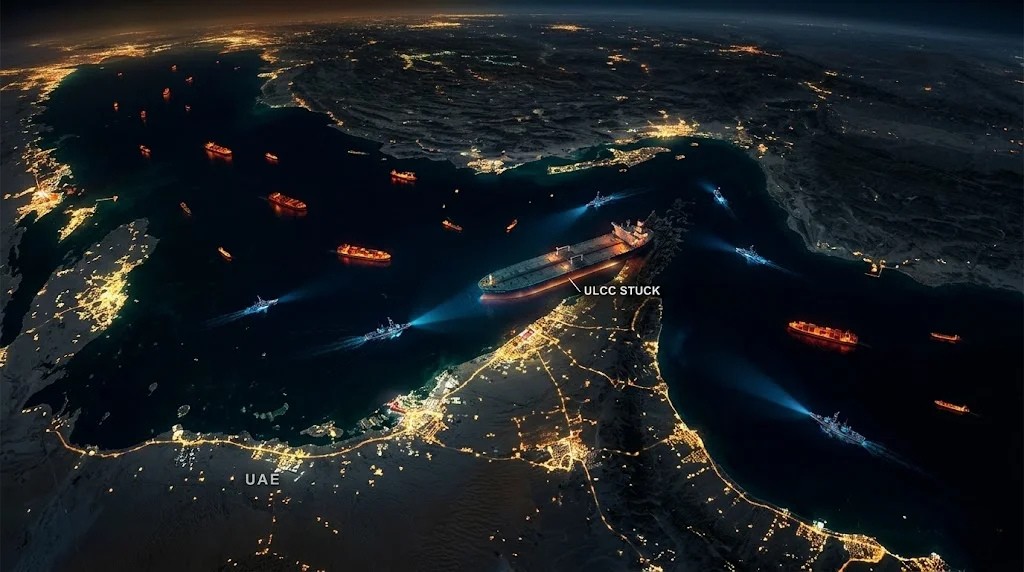
Figure 1: Global Chokepoint Visualization mapping the Cape of Good Hope diversion and resulting transit latency.
Thermal Degradation: The Hidden Crisis
Temperature-Sensitive Ingredient Categories
CPG formulations increasingly rely on biologically active ingredients that are thermally labile:
Probiotics
Live bacterial cultures require sustained refrigeration (2-8°C). Temperature excursions above 25°C cause logarithmic viability loss. Extended ocean transit in tropical waters creates cumulative exposure risk.
Enzyme Preparations
Digestive enzymes (protease, lipase, amylase) denature at temperatures above 40°C. Enzyme activity degradation follows first-order kinetics—time and temperature are multiplicative factors.
Heat-Sensitive Vitamins
Vitamin C degradation accelerates above 30°C. B-complex vitamins show significant loss at sustained temperatures above 35°C. Folate is particularly sensitive to both heat and light exposure.
The Arrhenius Equation in Practice
For every 10°C increase in exposure temperature, the rate of chemical degradation approximately doubles[4]. A container sitting in the Persian Gulf for 3 weeks at 35°C ambient temperature experiences degradation equivalent to months of normal storage.
Arrhenius Kinetics: Active Payload Viability
First-order degradation simulation of enzyme/probiotic payload over extended maritime transit.
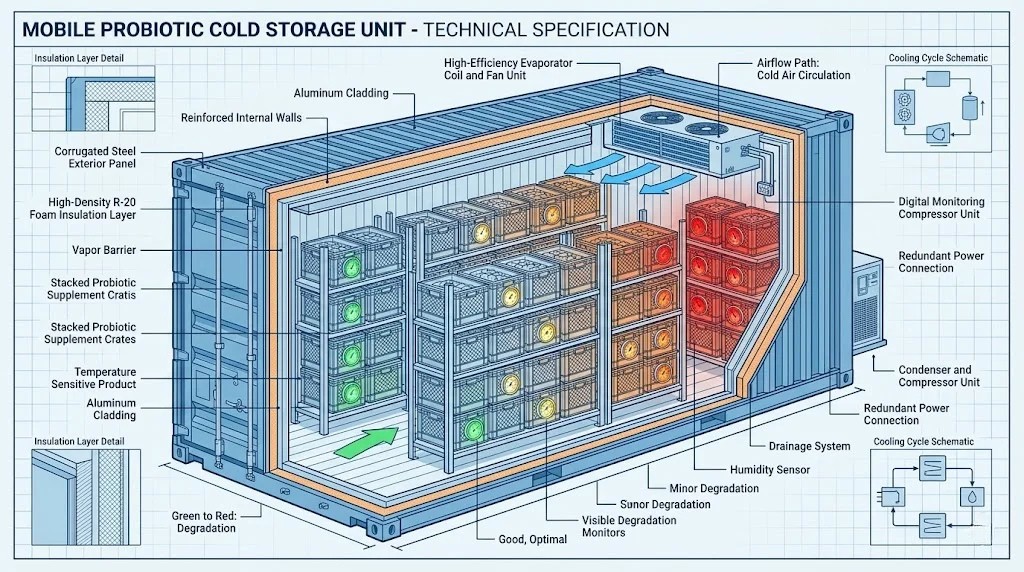
Figure 2: Vulnerabilities in temperature-sensitive intermodal logistics across prolonged maritime routes.
SVA Framework: Strategic Vendor Architecture Response
Principle 1: Geographic Diversification
Mitigating chokepoint risk requires deliberate geographic distribution of manufacturing and ingredient supply architecture:
Establish secondary supplier relationships in Atlantic-facing and Americas-facing regions
Qualify multiple production sites for critical SKUs
Maintain strategic inventory buffers at regionally distributed fulfillment points
Principle 2: Thermal Monitoring Infrastructure
Real-time visibility into temperature exposure across the supply chain:
IoT-enabled temperature loggers on all temperature-sensitive shipments
Predictive routing algorithms that account for seasonal temperature profiles
Automated alerts when shipment temperatures approach degradation thresholds
Principle 3: Supplier Redundancy Protocols
Develop qualified backup suppliers for all critical ingredients:
Minimum 3 qualified suppliers for ingredients with thermal sensitivity profiles
Regular qualification testing to ensure backup suppliers meet specification
Pre-negotiated surge capacity agreements for rapid supply shift activation
Principle 4: Contractual War Risk Allocation
Traditional frameworks were not designed for sustained geopolitical crisis:
Negotiate specific allocation of war risk premium costs in supplier agreements
Establish cost-sharing mechanisms for extended transit surcharges
Build escalation protocols for invoking force majeure provisions
Conclusion: Resilience as Competitive Advantage
The Hormuz crisis is not a temporary aberration—it represents a fundamental recalibration of global shipping risk. Organizations that treat this as a transient disruption and maintain legacy supply chain architectures remain structurally exposed to compounding vulnerabilities.
SVA provides the framework for systematic resilience building. By treating supply chain design as a strategic capability rather than a cost center, CPG manufacturers can transform chokepoint risk from a material operating risk into a competitive moat.
The question is not whether your supply chain will face the next disruption—it is whether you will be positioned to absorb it.
Strategy is the commercial intent. The supply chain is the grounded reality.
Fact-Check Sources
References
U.S. Energy Information Administration. (2026, June). Short-Term Energy Outlook.
International Energy Agency. (2026). Strait of Hormuz.
International Energy Agency. (2026, April). Oil Market Report.
Arrhenius Equation. Physical Chemistry. Chemical Kinetics and Temperature Dependence.
Are your sensitive formulations exposed to global maritime delays? Re-architect your supply architecture with a deep-dive SVA consultation. Corporate domains only.